

Marine Conservation & Ocean-Friendly Touring with White Rock Sea Tours
Join White Rock Sea Tours in protecting the Salish Sea through responsible whale watching, sustainable boating practices, and everyday conservation tips that help keep local waters clean for orcas and other marine wildlife. Learn how simple choices at home—like avoiding toxic cleaners, keeping chemicals out of drains, and practicing the 3 R’s (reduce, reuse, recycle)—directly support healthier oceans and a thriving marine ecosystem.
Marine Life Guidelines
Like Aretha said, “Give a little respect”.
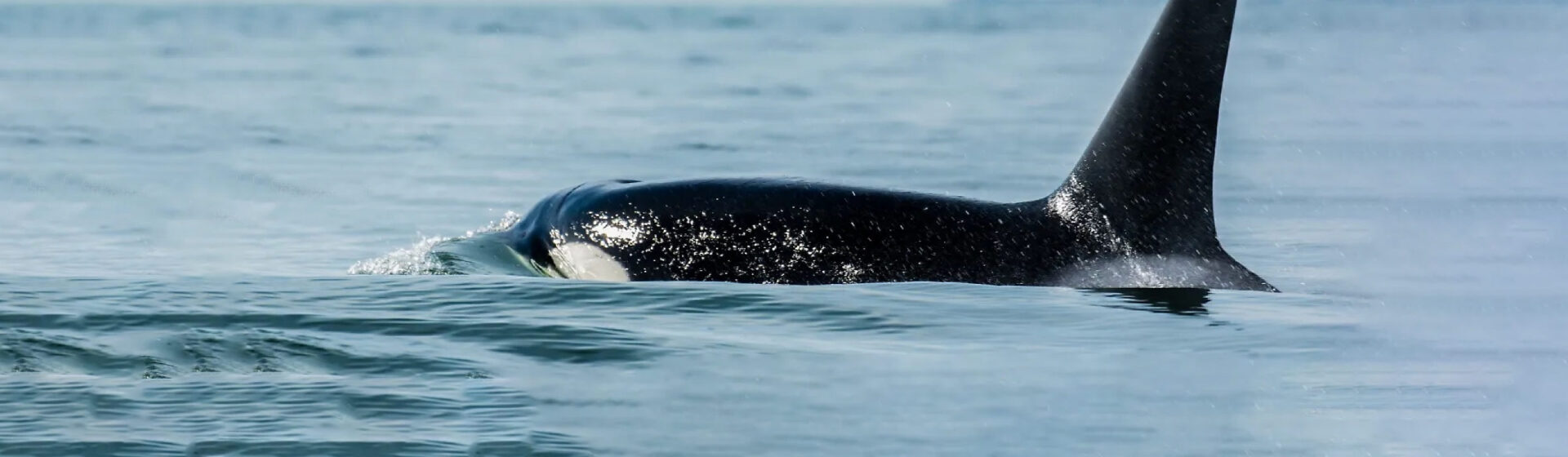
Here in the Pacific Northwest, we are very lucky to live in such close proximity to one of the ocean’s coolest inhabitants. Not only are orcas the top predator in the ocean, but they are a lot like us in many ways. They are intelligent, charismatic, playful, long-living, family-oriented neighbours.
They are good neighbours to us, providing us with entertainment, spectacular beauty to enjoy, and local jobs that support local economies.
Being good neighbours
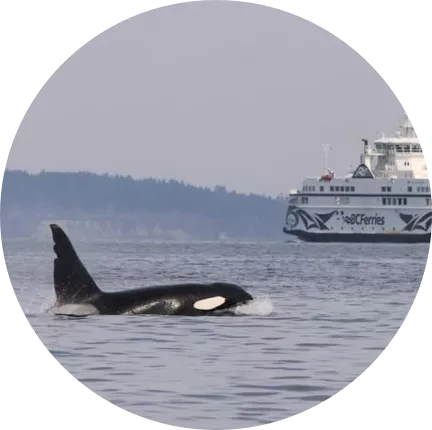
We should respect them by being good neighbours right back. Not only does this mean practicing some (or all) of the suggestions listed in the links to the right, it means respecting their space and freedom to do what they do. Wouldn’t you find it rude and disrespectful to look out your kitchen window as you are doing the breakfast dishes and find your neighbour a few inches from the glass staring in at you?
Give the same respect to all Marine wildlife as you would like for your self. When you’re visiting a place where you might encounter whales, on your boat or with an organized tour, please treat these magnificent animals, and every marine species, as you would your neighbour and give them some space. Thanks.


Killer Whale Conservation
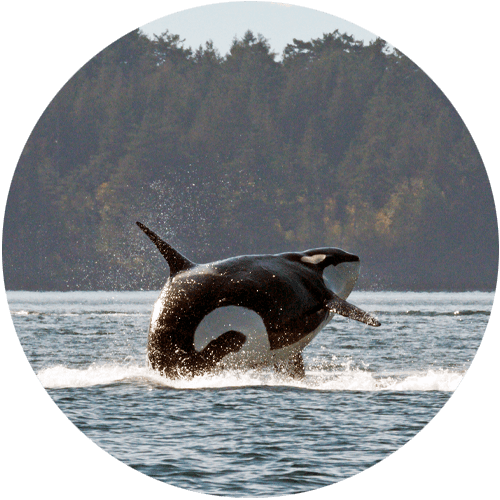
Orcas (killer whales) are on top. They’re an apex predator and sit at the top of the food chain. This means that everything in their environment, from the bottom to the top, affects their survival. Habitat conservation is really important.
The whales are smart; they know what they need to do to survive. But they need our help in keeping their house clean and safe – so they have plenty of nutritious food, clean pollution-free water, and plenty of space to do their thing.
What is an orca’s house made of? Water. Many of the things that you can do to protect the Southern Resident Orcas’ environment have to do with clean water.
Only 1% of the water on earth is fresh and available. If you only had 1% of your cash available at any given time how would you spend it? Bet you wouldn’t flush it down the toilet! Paying attention to what goes down your drain makes a huge difference in how much pollution you are putting back into your local environment. Everything from your lawn fertilizer to what you flush down your toilet ends up somewhere.
Here are some tips on keeping the ocean water clean
Don’t wash your car in your driveway
All that soap and grime goes down the storm drain, into the ocean, killing your fishy neighbours instantly! Instead, do the neighbourly thing and take your car to a car wash where the water is recycled and reused.
Choose natural products
Take a minute to think about the products you use at home. What happens to the chemical cleaner you use to clean your sink or toilet?
Most antibacterial cleaners, air fresheners, dishwasher detergents, oven cleaners, carpet cleaners and toilet/sink/tub/tile cleaners contain toxic ingredients that get into groundwater, and make their way to the ocean.
For the Southern Resident orcas sake, please choose your cleaning products more carefully and avoid ones that contain:
- Disinfectants: Chlorine bleach, alcohol, quaternary compounds, pine oil, and ethyl alcohol. These are found in a variety of household cleaners that often say ”antibacterial” or “disinfectant.” They kill the good as well as the bad.
- Phosphates: These are water softeners found in dishwasher soap and laundry detergent. Once they go down the drain they can get into the waterways, causing an overgrowth of algae and aquatic weeds that suck all the oxygen out of the water, killing the fish (like salmon) and critically-important creatures at the bottom of the food chain.
- Synthetic Perfumes and Fragrances: Don’t be fooled by the words fragrance and perfume! Synthetic scents are more like a chemical cocktail than the natural compound they mimic. Fragrances made from petroleum don’t degrade in the environment and get themselves into the food chain, killing guess who? All of our little friends at the bottom.
- Nonyphennol Ethoxlates (NPE’s) found in laundry detergents and all-purpose cleaners are known to be endocrine disruptors, which mess with hormone function and potentially cause early menstruation, low sperm counts, and poor reproductive health. This chemical is also thought to cause the transformation of male fish into female fish. Do you think whales like eating mutated fish? Would you?
Make your own cleaners out of stuff you probably already have. Above information courtesy of the David Suzuki Foundation.
Practice natural yard care
Being aware of what you allow the water to carry off your yard is easy and helps keep the local ocean waters cleaner.
Locate storm drains or ditches and know where your property’s run off goes. If you MUST use harmful chemicals (which you don’t), do all that you can to keep these toxins from reaching drains and ditches.
Avoid pesticides and chemical fertilizers that quickly end up in the nearest body of water, poisoning the little marine creatures that make up the bottom of the food chain. Less food on the bottom means less food on the top.
*White Rock Sea Tours credits the Center for Whale Research for this content.
Be aware of what goes down the drain
Water that goes down the drain, or is flushed, doesn’t disappear. Toilets and drains are not trashcans. Disposing of trash this way can lead to sewer overflows and back-ups that pollute our local environment and waterways. Yuck! Although most wastewater is now treated, the process cannot get rid of all chemicals. Imagine borrowing a friend’s sleeping bag, infesting it with bed bugs, then giving it back and saying, “Well, I got rid of most of them!” The whales would say, “No thanks. You can keep it.”
In the kitchen, please don’t put grease, fats, oils, or food scraps down the drain. Use an old can to collect grease and oil and dispose of it in the trash when it’s full. Make compost from your food scraps. In the bathroom, if it didn’t go through you first, don’t flush it.
Many of the compounds in the medicines we use don’t get broken down in the water treatment process, ending up in theocean food chain. Keep our orcas drug-free by disposing of your unused medications at your local pharmacy.
FDA- How to Dispose of Used Medicines
We don’t want our kids or pets getting into hazardous chemical products like old paint or chemical cleaners. The whales feel the same way! Keep your hazardous products safely stored and dispose of them correctly at a recycling facility that accepts them. Or better yet don’t use them at all.
Household Hazardous Waste – Local Hazardous Waste Program in King County
Practice the 3 R’s: Reduce, Reuse, and Recycle
Recycling products into new products uses fewer virgin materials, which reduces consumption of natural resources like water. It takes about 1.85 gallons (7 liters) of water to create the plastic for one 16 oz (500 ml) bottle of water. So if you reuse an existing water bottle, or opt for a reusable metal bottle instead, and you drink one bottle of water a day you will prevent the wasting of almost 13 gallons (49 liters) of water a week just from the plastic manufacturing process, not to mention the environmental cost savings of the new plastic bottles being transported to your neighbourhood store.
Recycling, reducing, and reusing results in less trash. 14 billion pounds (6.35 billion kg) of garbage is dumped into the ocean every year! Not only is it awful to trash the home of billions of creatures, it is also harmful to our whale friends and the food chain that supports them. According to the Ocean Conservancy, trash in the ocean kills more than 1 million seabirds and 100,000 marine mammals and turtles every year, from ingestion or entanglement. Recycling more results in less trash, resulting in less harm to whales and other marine animals. Simple.
It feels good and costs less. Arguably, the most important of the three Rs is Reduce! There are tons of things that many of us buy every day that we don’t really need. The next time you reach for a plastic bottle, or something with excessive packaging, imagine it floating down Haro Strait as the whales swim by or spinning around in the massive Pacific garbage patch. You don’t want to contribute to either, do you?